Introduction
Fluted wall panels have become a popular feature in modern interior design, adding texture, depth and architectural interest to residential and commercial spaces. From TV feature walls and bedroom headboards to reception areas and living rooms, these panels offer a way to create a refined interior without relying on excessive decoration.
However, as homeowners in Kenya explore contemporary interior finishes, one important question arises: are fluted wall panels a passing trend or a timeless design feature?
The answer depends on how they are selected, proportioned and incorporated into the overall interior. Although fluted detailing is currently popular, its underlying design principles, including repetition, texture and architectural rhythm, have been used for generations.
When chosen carefully, fluted wall panels can remain attractive beyond changing interior design trends. The key is to balance the feature with the room’s proportions, colour palette, lighting and functional requirements.
What Are Fluted Wall Panels?
Fluted wall panels are decorative wall coverings characterised by a series of repeated vertical or horizontal grooves, ridges or rounded profiles. These details create a textured surface that interacts with light and shadow, making a wall more visually interesting than a completely flat finish.
Depending on the design, fluted panels can have narrow grooves for a subtle appearance or wider profiles for a more prominent architectural statement. They can also be installed across an entire wall or used as a smaller decorative feature.
In contemporary Kenyan homes, fluted wall panels are often incorporated into:
- TV feature walls and entertainment units.
- Living room accent walls.
- Bedroom headboards and bed-back walls.
- Hallways and entrance areas.
- Dining room feature walls.
- Office reception areas and boardrooms.
- Retail spaces, hospitality interiors and commercial fit-outs.
Their versatility makes them suitable for minimalist, contemporary, transitional and selected luxury interior styles.
Why Are Fluted Wall Panels So Popular?
The popularity of fluted wall panels comes from their ability to introduce detail without making a room feel overly decorated.
1. They Add Texture Without Visual Clutter
A plain wall can sometimes feel unfinished, especially in a room with minimal furniture and limited decorative elements. Fluted panels introduce texture through repeated lines rather than multiple colours, patterns or accessories.
This makes them useful in contemporary interiors where simplicity is important but a completely flat finish may feel too plain.
2. They Create Visual Height
Vertical fluting draws the eye upwards, which can make a room feel taller. This can be particularly effective in spaces with carefully proportioned feature walls, although the actual effect depends on ceiling height, panel spacing and surrounding furniture.
3. They Complement Other Interior Materials
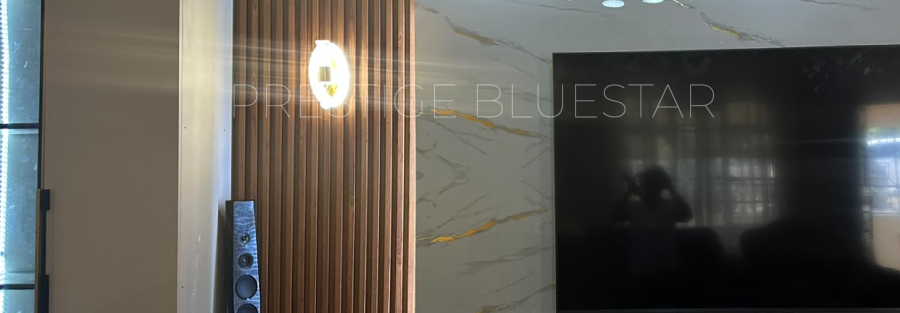
Fluted panels work well alongside materials such as timber, stone-effect finishes, marble-look surfaces, glass, metal and painted walls. In a TV wall design, for example, fluted sections can frame a central feature and provide contrast against a smooth backing panel.
4. They Work in Residential and Commercial Spaces
Their adaptable appearance allows designers to use fluted panels in homes, offices, hotels, showrooms and reception areas. The material, colour and scale can be adjusted to suit the function and character of each space.
Are Fluted Wall Panels a Trend or Timeless Feature?
Fluted wall panels are both a current trend and a design feature with lasting potential. Their present popularity is influenced by contemporary interiors that favour natural textures, clean lines and carefully selected feature walls. However, the use of grooved and ribbed surfaces is not new.
The difference between a temporary design statement and a timeless feature lies in execution.
When Fluted Wall Panels May Look Dated
Fluted wall panels may lose their appeal more quickly when they are used excessively or selected only because they are fashionable. Very pronounced profiles, overly decorative finishes, clashing colours and unnecessary repetition can make an interior feel tied to a particular period.
A wall covered in multiple competing textures may also overwhelm a room, especially when combined with elaborate ceilings, patterned flooring and heavily decorated furniture.
When Fluted Wall Panels Can Be Timeless
Fluted wall panels are more likely to remain attractive when they have a clear design purpose. Simple profiles, balanced proportions, quality finishes and colours that complement the rest of the interior can help them adapt as furniture and accessories change.
For a timeless result, consider using fluted panels as a supporting architectural detail rather than making every wall a feature. Pairing them with neutral finishes, restrained lighting and practical furniture creates a more balanced interior.
The most enduring approach is to prioritise proportion, material quality and the overall room design over short-lived trends.
Benefits of Fluted Wall Panels
When specified and installed correctly, fluted wall panels offer several advantages.
Enhanced Visual Appeal
The grooves create shadows and depth, adding character to otherwise plain surfaces. This can help define a focal point without requiring numerous decorative accessories.
Versatile Design Options
Fluted panels are available in different profiles, colours, textures and materials. This makes it possible to create subtle backgrounds or bold feature walls, depending on the intended result.
Coordination With Bespoke Joinery
Fluted finishes can complement custom TV units, cabinetry, display shelves and other fitted furniture. Coordinating these elements creates a more unified interior design.
Opportunities for Layered Lighting
Carefully positioned lighting can emphasise the grooves and shadows, adding dimension to a feature wall. The lighting should enhance the finish without producing excessive glare or distracting reflections.
A Defined Focal Point
A well-designed fluted feature wall can establish a clear visual centre in a living room, bedroom or reception area. This is especially effective when the wall is proportioned around the furniture or activity it supports.
However, fluted wall panels are primarily decorative finishes. Their acoustic, moisture-resistance and durability performance depends on the specific product and installation system; they should not automatically be treated as soundproofing or waterproofing solutions.
Where Can You Install Fluted Wall Panels?
Choosing the right location is just as important as selecting the panel itself.
Living Room and TV Feature Walls
Fluted panels can frame a television, complement a floating TV unit or create contrast between smooth and textured finishes. Cable management, ventilation requirements for equipment and the positioning of sockets should be planned before installation.
Bedroom Headboard Walls
Behind a bed, fluted panels can create a calm, structured backdrop. Neutral colours and restrained detailing often work well in bedrooms because they allow bedding, curtains and other accessories to change without requiring a complete redesign.
Hallways and Entrance Areas
A carefully selected panel can introduce texture near an entrance or along a hallway. In narrow spaces, consider the depth of the profile and the available clearance to avoid making the passage feel cramped.
Offices and Reception Areas
In commercial interiors, fluted panels can reinforce a professional appearance when coordinated with the brand’s colours, reception desk, lighting and signage. Material durability and ease of maintenance are particularly important in high-traffic areas.
Materials and Finishes for Fluted Wall Panels
The material affects the appearance, maintenance requirements, installation method and long-term performance of fluted wall panels.
MDF and Engineered Board Panels
MDF and other engineered boards can provide a smooth, consistent surface suitable for selected interior applications. Their suitability depends on the product specification, moisture exposure, edge treatment and installation method.
They are generally better suited to appropriately dry indoor areas unless the specific product is designed for more demanding conditions.
PVC and Other Polymer Panels
Some polymer panels offer lightweight construction and are available in finishes that imitate timber or other textures. Check the manufacturer’s specifications for heat tolerance, fire performance, cleaning instructions and suitability for the intended location.
Timber and Timber-Look Finishes
Natural timber can introduce warmth and variation, while timber-look finishes offer different maintenance and cost options. Natural timber may require appropriate sealing and ongoing care, depending on the species and environmental conditions.
Colour and Surface Finish
Matte neutrals, warm wood tones and understated colours can be easier to coordinate with changing décor. Glossy, metallic or highly contrasting finishes can still work well, but should be selected to suit the room rather than simply to follow a trend.
In Kenya, material selection should account for the room’s moisture levels, ventilation, cleaning requirements, available budget and expected use.
How to Make Fluted Wall Panels Look Timeless
Use these practical design principles when planning fluted wall panels for your home or commercial space.
- Choose a suitable profile. Select groove widths and panel depth that complement the wall’s size and the room’s proportions.
- Limit competing features. Let the fluted surface provide texture while other finishes remain visually balanced.
- Select a coordinated colour palette. Consider the flooring, wall paint, furniture, doors and existing cabinetry before choosing a finish.
- Prioritise material suitability. Choose panels that are appropriate for the installation environment and intended maintenance routine.
- Plan lighting early. Position lighting to enhance the texture and avoid unwanted glare or harsh shadows.
- Measure before fabrication. Account for sockets, switches, corners, skirting, ceiling lines and adjoining furniture.
- Invest in precise installation. Consistent spacing, straight alignment, neat edges and carefully resolved joints help the finished wall look professional.
- Use the feature selectively. A single well-designed wall can have more impact than repeating the same treatment throughout every room.
Common Mistakes to Avoid
Even attractive materials can produce disappointing results when the design and installation are poorly planned.
- Following trends without considering the room: A popular profile may not suit the wall’s dimensions or the property’s overall style.
- Using too many textures: Combining fluted panels with several competing patterns can make a room visually busy.
- Ignoring maintenance: Grooves can collect dust, so the cleaning requirements should be considered before selecting a profile.
- Choosing unsuitable materials: A product intended for dry indoor walls may not perform well in a damp or exposed location.
- Overlooking lighting and electrical points: Poor planning can interrupt the panel pattern or create unnecessary installation changes.
- Neglecting alignment and finishing: Uneven spacing, visible gaps and untidy edges can reduce the quality of the entire feature wall.
- Treating decorative panels as a structural solution: Standard decorative panels do not replace the appropriate construction, waterproofing or acoustic systems.
A professional assessment can help determine the most suitable panel, layout and installation approach for the intended space.
Why Choose Prestige Bluestar?
Prestige Bluestar provides interior design, custom cabinetry, renovations and interior fit-out solutions for residential and commercial properties in Nairobi and throughout Kenya.
Our approach considers how decorative features work with the wider interior, including furniture placement, lighting, wall dimensions, colour coordination and practical use. This helps ensure that a fluted feature wall contributes to the overall design rather than appearing as an isolated decoration.
Whether you are planning a modern TV wall, a bedroom feature wall, a reception area or a complete interior transformation, thoughtful planning can help you achieve a result that balances contemporary appeal with long-term usability.
From material selection and design coordination to fabrication and installation planning, the goal is to create an interior that suits your space, preferences and budget.
Frequently Asked Questions
1. Are fluted wall panels still in style?
Yes. Fluted wall panels remain a popular choice in contemporary interiors because they introduce texture and architectural detail. Their long-term appeal depends on the profile, materials, colour and how well they fit the overall design.
2. Will fluted wall panels go out of fashion?
Specific profiles, colours and applications may become less fashionable over time. However, restrained designs with suitable materials and balanced proportions can remain attractive even as interior trends change.
3. Are fluted wall panels suitable for Kenyan homes?
Yes. They can work well in Kenyan homes when the selected material suits the room’s conditions, cleaning requirements and budget. Moisture exposure and ventilation should be considered before installation.
4. Do fluted wall panels make a room look bigger?
Vertical lines can draw the eye upwards and create an impression of height. The effect depends on the room’s proportions, lighting, panel depth and surrounding finishes.
5. Are fluted wall panels difficult to clean?
Cleaning requirements depend on the profile and material. Grooves may collect dust, so regular dusting and following the manufacturer’s cleaning instructions are important.
6. Can fluted panels be used on a TV wall?
Yes. They can frame a television and complement cabinetry, shelves or smooth decorative panels. The design should account for cable access, electrical points, equipment ventilation and the mounting system.
7. Which colours are best for timeless fluted wall panels?
Neutral colours, muted shades and balanced wood tones are versatile options. The best choice depends on the room’s lighting, existing finishes and desired atmosphere.
8. Are fluted wall panels suitable for offices?
Yes. They can add texture to reception areas, meeting rooms and selected office walls. For commercial use, consider durability, cleaning, fire performance and the level of daily traffic.
9. Are fluted wall panels waterproof?
Not all fluted wall panels are waterproof. Performance depends on the product, joints, backing and installation system. Always verify the manufacturer’s specifications before using them in moisture-prone areas.
10. How much do fluted wall panels cost in Kenya?
The cost depends on the material, wall dimensions, profile, finish, preparation, lighting integration and installation complexity. An assessment of the space and chosen specification is needed to prepare an accurate quotation.
Conclusion
Fluted wall panels are more than a passing interior design trend when they are used with purpose. Their ability to create depth, texture and visual rhythm gives them lasting design potential, but the final result depends on thoughtful material selection, suitable proportions and quality installation.
For homeowners and property developers in Kenya, the best approach is to choose a design that complements the space, meets practical requirements and remains attractive beyond current fashion.
Ready to Transform Your Interior?
Prestige Bluestar provides professional interior design, custom cabinetry, renovations, TV feature walls and complete interior fit-out solutions in Nairobi and throughout Kenya.
Contact us to discuss your project and arrange a professional site visit and design consultation.
Call/WhatsApp: +254 714 444 516 | +254 745 730 042
Email: info@prestigebluestar.com
Location: Westlands, Nairobi, Kenya
Service Area: Nationwide across Kenya
Onsite consultation and professional site visit fees apply before quotation and project commencement.