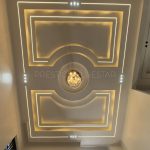
How to Choose the Right Gypsum Board Thickness for Your Ceiling in Kenya
Introduction
Choosing the right gypsum board thickness for your ceiling in Kenya is an important decision when planning a residential or commercial interior. The thickness of the gypsum board can affect installation, ceiling stability, finishing quality and compatibility with the supporting framework.
Gypsum ceilings are popular in Kenya because they allow homeowners, developers and businesses to create clean, modern ceiling designs with features such as recessed lighting, bulkheads, multiple levels and concealed LED lighting. However, different ceiling applications may require different gypsum board specifications.
The right gypsum board thickness should therefore be selected according to the ceiling design, framing system, room conditions, moisture exposure, lighting requirements and manufacturer’s recommendations.
This guide explains the key factors to consider when choosing gypsum board thickness for a ceiling in Kenya.
What Is Gypsum Board Thickness?
Gypsum board thickness refers to the thickness of the gypsum panel used to construct a ceiling or interior partition. Gypsum boards are manufactured in different thicknesses and specifications for different applications.
When choosing gypsum board thickness, it is important to understand that thickness is only one part of the overall ceiling system. The supporting framework, fixing method, board type and installation quality also contribute to the performance of the finished ceiling.
A properly selected gypsum board can help achieve:
- A stable ceiling surface
- Consistent finishing
- Proper board installation
- Compatibility with the ceiling framework
- Suitable performance for the intended room
- A clean and professional appearance
The correct specification should always be checked against the manufacturer’s technical recommendations.
Why Gypsum Board Thickness Matters for Ceilings
Gypsum board thickness matters because ceiling boards must be properly supported and installed to maintain a level and stable surface.
A ceiling is also exposed to factors such as lighting installations, temperature changes, building movement and everyday maintenance. Selecting the appropriate board specification as part of the complete ceiling system helps the installer plan the framework and fixing requirements correctly.
However, choosing a thicker gypsum board does not automatically guarantee a better ceiling. The entire installation system must be considered.
Common Gypsum Board Thickness Options
Gypsum boards are available in different thicknesses depending on the manufacturer and intended application. Common board specifications used in interior construction can vary according to whether the board is intended for ceilings, partitions, moisture-prone areas or specialist applications.
When selecting gypsum board thickness in Kenya, do not choose a board based only on its thickness. Check the manufacturer’s recommended application, framing requirements and installation method.
The appropriate board can vary between a simple residential ceiling, a large commercial ceiling and a decorative multi-level ceiling.
Factors to Consider When Choosing Gypsum Board Thickness
1. Ceiling Design
The ceiling design should be considered before choosing the gypsum board specification.
A simple flat ceiling may have different requirements from a decorative ceiling containing several levels, bulkheads, recessed sections or floating features.
Modern gypsum ceiling designs may include:
- Flat ceiling sections
- Multi-level ceilings
- Recessed lighting
- LED lighting channels
- Bulkheads
- Curtain recesses
- Decorative ceiling details
Complex designs require accurate measurements and proper framework planning to ensure the gypsum boards are adequately supported.
2. Ceiling Framework
The supporting framework is one of the most important parts of a gypsum ceiling.
The selected gypsum board should be compatible with the framing system and spacing recommended by the manufacturer. Properly installed framework helps create a level and stable surface for the boards.
If the framework is poorly planned or incorrectly installed, increasing the gypsum board thickness alone may not solve the problem.
Professional gypsum ceiling installation should therefore consider the board and framework as one complete system.
3. Room Size and Ceiling Span
Room dimensions can also influence ceiling planning.
Large rooms may require additional attention to framework layout, board joints, access points and service coordination. The installer should assess the entire ceiling rather than selecting gypsum board thickness based simply on the size of the room.
For large homes, offices, hotels, retail spaces and other commercial interiors in Kenya, accurate setting out is particularly important.
4. Moisture and Humidity
Room conditions are another important consideration when selecting gypsum board.
Kitchens, bathrooms, laundry areas and other spaces exposed to higher humidity may require moisture-resistant gypsum board or another appropriate board specification.
It is important to distinguish between gypsum board thickness and gypsum board type. A thicker standard gypsum board does not automatically provide the moisture-resistant properties of a board specifically designed for moisture exposure.
The correct product should be selected according to the manufacturer’s recommendations and the conditions of the room.
5. Lighting and Electrical Installations
Many modern gypsum ceilings incorporate recessed downlights, LED strips, pendant lights and concealed lighting.
These features should be planned before the gypsum boards are installed.
The ceiling design should allow space for:
- Electrical wiring
- Recessed lights
- LED strips
- Light channels
- Access panels
- Ceiling fittings
- Other required services
The gypsum board thickness, framework and fixing method should work with the planned ceiling features.
6. Ceiling Height
The available ceiling height can influence the design and construction of a gypsum ceiling.
Where a ceiling incorporates several levels, bulkheads or recessed lighting, sufficient space must be available for the supporting framework and services.
Before selecting gypsum board thickness, the designer or installer should consider the existing ceiling height and the amount of space required for the complete ceiling system.
Does a Thicker Gypsum Board Mean a Stronger Ceiling?
Not necessarily.
Gypsum board thickness is only one factor affecting ceiling performance. A professionally installed ceiling also depends on the supporting framework, board fixing, screw spacing, joint treatment and finishing.
Important factors include:
- Correct board specification
- Suitable framing
- Proper framework spacing
- Accurate board cutting
- Correct fixing
- Proper joint treatment
- Professional finishing
- Appropriate room-specific board selection
A thicker board that is incorrectly installed may not perform as intended, while an appropriately specified board installed according to the manufacturer’s requirements can provide a suitable result.
Gypsum Board Thickness for Different Ceiling Applications
Different interior spaces can have different requirements.
Residential Bedrooms and Living Rooms
Bedrooms and living rooms commonly use gypsum ceilings for clean, modern finishes and decorative lighting. The board specification should match the ceiling design and supporting framework.
Kitchens
Kitchen ceilings should be planned with consideration for humidity, ventilation, lighting and other services. Where moisture exposure is a concern, the appropriate moisture-resistant product may need to be considered.
Bathrooms
Bathrooms experience higher humidity and moisture exposure. The gypsum board type should therefore be selected according to the specific conditions and manufacturer’s recommendations rather than relying on thickness alone.
Offices and Commercial Spaces
Commercial ceilings may include lighting systems, air-conditioning services, access panels and other installations. The ceiling framework and board specification should accommodate these requirements.
Common Mistakes When Choosing Gypsum Board Thickness
Choosing the Thickest Board Without Assessing the Application
A thicker board is not automatically the correct board. Application, board type and manufacturer specifications should be considered.
Ignoring the Framework
The supporting framework is essential to the performance of a gypsum ceiling. Poor framing can cause problems regardless of board thickness.
Using the Wrong Board for Moisture-Prone Areas
Standard gypsum board may not be appropriate for every environment. Areas with increased moisture may require a suitable moisture-resistant product.
Planning Lighting After Installation
Lighting and electrical services should be considered before the ceiling is closed. Retrofitting features can increase work and affect the finished design.
Choosing Materials Based Only on Price
The cheapest board or installation option may not be suitable for the intended application. Board specification, framework, labour and finishing should be considered together.
How to Choose the Right Gypsum Board Thickness in Kenya
Before purchasing gypsum boards, consider the following steps:
- Identify the ceiling application. Determine whether it is for a bedroom, living room, kitchen, bathroom, office or commercial space.
- Review the ceiling design. Establish whether the ceiling will be flat, multi-level, recessed or decorative.
- Plan the framework. Ensure the supporting structure is suitable for the selected board.
- Consider room conditions. Check whether the area is exposed to moisture or humidity.
- Plan lighting and services. Account for electrical wiring, lighting and access requirements.
- Check manufacturer specifications. Confirm the recommended board application and installation method.
- Use professional installation. Proper fixing, joint treatment and finishing are essential to the final result.
Why Choose Prestige Bluestar for Gypsum Ceiling Installation?
Prestige Bluestar provides professional gypsum ceiling installation, interior design and complete interior fit-out services in Nairobi and across Kenya.
Our approach considers the complete ceiling system rather than focusing on board thickness alone. We assess the proposed design, framework, lighting, room requirements and finishing details before installation.
Our gypsum ceiling services include:
- Modern gypsum ceiling designs
- Flat gypsum ceilings
- Multi-level gypsum ceilings
- Decorative bulkheads
- Recessed lighting features
- Concealed LED lighting
- Residential gypsum ceiling installation
- Commercial interior fit-outs
- Ceiling finishing and coordination with other interior works
Proper planning helps ensure that the gypsum ceiling complements the wider interior design while meeting the practical requirements of the space.
Frequently Asked Questions About Gypsum Board Thickness
What is the best gypsum board thickness for a ceiling in Kenya?
There is no single gypsum board thickness that is suitable for every ceiling. The correct specification depends on the ceiling design, framework, application, room conditions and manufacturer’s recommendations.
Does gypsum board thickness affect ceiling quality?
Yes, board thickness can be one consideration in ceiling performance, but it should be assessed together with board type, framework, fixing and installation quality.
Is thicker gypsum board always better?
No. The correct gypsum board thickness depends on the application. A thicker board is not automatically better if it is unsuitable for the ceiling system or installed incorrectly.
Can gypsum board be used in a bathroom?
Gypsum board can be used in suitable interior applications, but bathrooms and other moisture-prone areas may require a moisture-resistant gypsum board or another appropriate material.
What affects gypsum ceiling installation in Kenya?
Factors include ceiling size, design complexity, gypsum board specification, framework, lighting features, labour, finishing and the overall project scope.
Does gypsum board thickness affect installation cost?
It can influence material and installation requirements, but overall gypsum ceiling cost also depends on the ceiling design, framework, room size, labour, finishing and additional features.
Conclusion
Choosing the right gypsum board thickness for your ceiling in Kenya requires careful consideration of the complete ceiling system. Board thickness should be evaluated alongside the ceiling design, supporting framework, room conditions, moisture exposure, lighting and manufacturer’s specifications.
Whether you are planning a residential gypsum ceiling, office ceiling or complete commercial interior fit-out, proper material selection and professional installation can contribute to a stable and well-finished result.
The goal is not simply to choose the thickest gypsum board. It is to select the appropriate board specification for the application and install it correctly as part of a properly planned ceiling system.
Ready to Plan Your Gypsum Ceiling in Kenya?
Prestige Bluestar provides gypsum ceiling design and installation, interior design and complete interior fit-out solutions in Nairobi and countrywide.
A consultation/site visit fee applies before quotation or project commencement.
Call/WhatsApp: 0714 444 516 | 0745 730 042
Email: info@prestigebluestar.com
Location: Westlands, Nairobi, Kenya
Service Area: Nairobi & Countrywide