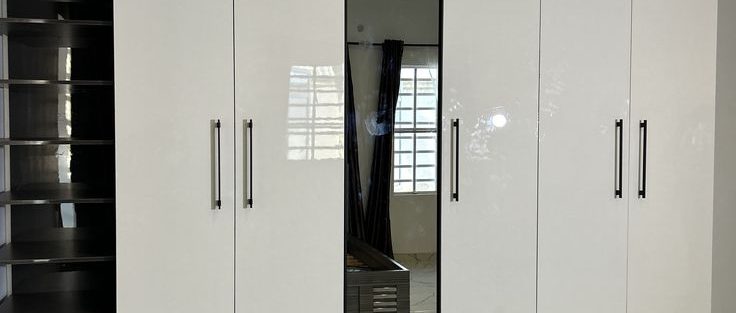
Managing Your Kenyan Home Project From Abroad: What Should Be in Place?
Introduction
Managing your Kenyan home project from abroad can be challenging when you cannot regularly visit the site, meet contractors in person, inspect materials, or monitor daily progress. Whether you are building a new home, renovating an existing property, or completing an interior fit-out, proper planning and communication can make remote project management more structured.
For Kenyans living abroad and property owners based outside the country, several things should be in place before work begins. These include a clearly defined project scope, approved designs, a realistic budget, a reliable project team, documented payment terms, material specifications, a communication process, progress reporting, and quality control.
The goal of managing your Kenyan home project from abroad is not to personally supervise every activity. Instead, it is to establish a system that allows decisions, approvals, procurement, execution, reporting, and quality checks to be coordinated effectively from a distance.
What Does Managing Your Kenyan Home Project From Abroad Involve?
Managing a home project remotely involves coordinating project decisions and monitoring progress without being physically present at the property.
Depending on the project, this can involve:
- Reviewing designs remotely
- Approving materials and finishes
- Confirming project scope
- Reviewing quotations
- Approving project stages
- Monitoring procurement
- Receiving progress updates
- Reviewing photographs and videos
- Coordinating payments
- Addressing changes
- Tracking project timelines
- Arranging site inspections when necessary
A remote project requires clear responsibilities because decisions may need to be made quickly even when the property owner is in another country.
1. Start With a Clearly Defined Project Scope
The first requirement for managing your Kenyan home project from abroad is a clearly defined scope of work.
Before execution begins, the homeowner should understand exactly what is included in the project.
For an interior project, the scope could include:
- Kitchen cabinets
- Wardrobes
- Walk-in closets
- TV walls
- Gypsum ceilings
- Wall finishes
- Doors
- Lighting
- Flooring
- Bathroom finishes
- Complete interior fit-out
The scope should distinguish between included work and items that are not included.
A clear scope reduces misunderstandings and makes it easier to evaluate quotations, progress, changes, and additional work.
2. Have Approved Designs Before Fabrication
Design decisions should be settled as much as reasonably possible before fabrication begins.
For customised interior work, this may include approving:
- Layouts
- Cabinet designs
- Wardrobe configurations
- Colours
- Board finishes
- Countertops
- Hardware
- Handles
- Glass
- Lighting
- Storage features
When a homeowner is abroad, making changes after fabrication has started can be more complicated because the property owner may not be available to inspect the revised work physically.
Approved designs provide a reference point for the project team and the client.
3. Establish a Realistic Project Budget
A realistic budget is essential when managing a project remotely.
The budget should account for more than materials alone. Depending on the project, costs may include:
- Design
- Materials
- Labour
- Fabrication
- Transportation
- Installation
- Site preparation
- Finishing
- Professional services
- Additional approved works
Homeowners should also understand what happens if the scope changes.
For example, changing cabinet materials, increasing the number of wardrobes, adding new rooms, or upgrading hardware may change the original project cost.
4. Agree on Client Payment Timelines
Payment arrangements should be established before project commencement.
A project may have several stages, and different stages can require resources such as materials, labour, fabrication, transportation, and installation.
The client and contractor should agree on:
- Payment amounts
- Payment milestones
- Due dates or agreed stages
- What each payment supports
- Payment confirmation procedures
- How additional work will be handled
For homeowners abroad, clear payment timelines are particularly important because delays in approval or payment may affect procurement, fabrication, or scheduling.
5. Choose a Reliable Project Team
Remote project management depends heavily on the people handling the work locally.
The project team should understand the agreed scope, designs, materials, timelines, quality expectations, and communication process.
Depending on the project, the team may include:
- Interior designers
- Project managers
- Contractors
- Site supervisors
- Joinery teams
- Electricians
- Plumbers
- Painters
- Gypsum installers
- Tilers
- Glass and aluminium specialists
The roles and responsibilities should be clear before work begins.
6. Establish One Main Communication Channel
Communication becomes even more important when the homeowner is abroad.
Instead of using multiple disconnected communication channels, establish a clear process for project communication.
The client and project team can agree on:
- Primary communication platform
- Progress update frequency
- Who provides updates
- Who approves changes
- How urgent decisions are handled
- How documents and quotations are shared
For example, routine progress updates can be provided through photographs and videos, while formal approvals can be documented in writing.
The exact communication process should suit the project and the parties involved.
7. Use Regular Progress Updates
Regular updates help homeowners understand what is happening at the property without needing to travel frequently.
A useful progress update can include:
- Current project stage
- Completed work
- Work currently underway
- Materials delivered
- Upcoming activities
- Outstanding decisions
- Photographs
- Videos
- Any issues requiring client attention
Photographs and videos are useful for remote monitoring, but they should support rather than replace proper site inspections and professional quality control where these are necessary.
8. Document Materials and Finishes
Material specifications should be documented before procurement wherever possible.
This is particularly important for customised interior projects.
The documentation can identify:
- Board type
- Board colour or finish
- Countertop material
- Hardware
- Glass specification
- Handles
- Lighting
- Tiles
- Paint colours
- Other selected finishes
When the homeowner is abroad, documented specifications create a clear reference for procurement and execution.
9. Have a Process for Changes and Approvals
Changes are sometimes necessary during a construction or interior project.
A site condition may differ from the original expectation, a material may become unavailable, or the homeowner may decide to modify part of the design.
For remote projects, changes should be documented before implementation where practical.
The change process can include:
- Identifying the proposed change.
- Explaining why the change is required.
- Providing any additional cost.
- Explaining the potential timeline impact.
- Obtaining client approval.
- Recording the approved change.
This helps prevent misunderstandings about additional work and project costs.
10. Plan for Site Inspections
Managing a project from abroad does not necessarily mean eliminating physical inspections.
Depending on the size and complexity of the project, periodic site inspections can provide an additional level of oversight.
The homeowner may arrange for a trusted representative, project manager, consultant, or other authorised person to visit the property where appropriate.
For certain stages, physical inspection can be particularly useful for checking measurements, workmanship, installation, finishes, and site conditions.
11. Plan Procurement Before It Becomes Urgent
Procurement should be coordinated with the project schedule.
Some materials may be readily available, while others may require ordering, fabrication, or additional transportation.
Planning procurement early can help account for material lead times.
For an interior fit-out, procurement may include:
- Cabinet boards
- Hardware
- Countertops
- Glass
- Aluminium
- Lighting
- Tiles
- Sanitary fittings
- Doors
- Decorative finishes
Remote clients should ideally approve important material selections before procurement deadlines.
12. Understand the Project Timeline
A project timeline gives the homeowner a clearer understanding of what should happen and when.
The timeline can include stages such as:
Design → Approval → Procurement → Fabrication → Delivery → Installation → Finishing → Quality Checks → Completion
The actual sequence varies depending on the project.
Timelines can also change because of material availability, site readiness, design changes, access, approvals, or unforeseen conditions.
For homeowners abroad, understanding these dependencies makes it easier to distinguish between normal project progression and issues requiring attention.
13. Keep All Project Documents Organised
Remote project management becomes easier when important documents are stored systematically.
These may include:
- Quotations
- Contracts or agreements
- Approved designs
- Drawings
- Material specifications
- Payment records
- Invoices
- Progress reports
- Change approvals
- Project photographs
- Completion documentation
Having a clear record allows the homeowner to review the project without depending entirely on memory or informal conversations.
14. Establish Quality Control Procedures
Quality control should be planned rather than left until the end of the project.
Depending on the scope, checks may cover:
- Measurements
- Material specifications
- Cabinet alignment
- Hardware installation
- Finishing quality
- Door and drawer operation
- Electrical installations
- Plumbing
- Paintwork
- Gypsum work
- Final cleaning
Regular checks can help identify issues earlier, when corrective action may be easier to coordinate.
What Should Be in Place Before You Leave the Project to a Local Team?
For homeowners abroad, a useful pre-project checklist includes:
Project Documentation
Have the approved scope, designs, quotation, agreement, and material specifications documented.
Financial Plan
Confirm the budget, payment milestones, and procedures for approving additional costs.
Communication System
Know who provides updates, how frequently they are provided, and who handles urgent decisions.
Approval Process
Establish how design changes, material substitutions, and additional works will be approved.
Quality Control
Agree on how progress and completed work will be inspected.
Project Timeline
Understand the planned sequence of activities and the factors that may affect completion.
Common Challenges When Managing a Home Project From Abroad
Remote homeowners may encounter several practical challenges.
These can include:
- Delayed communication
- Time-zone differences
- Changes to the original scope
- Difficulty assessing materials physically
- Unexpected site conditions
- Procurement delays
- Approval delays
- Difficulty coordinating multiple contractors
These challenges do not necessarily prevent successful remote project management. Clear documentation, defined responsibilities, regular communication, and structured approvals can help address them.
Why Choose Prestige Bluestar for Your Kenyan Home Project?
Prestige Bluestar provides interior design and fit-out services in Nairobi and countrywide Kenya.
Our services include:
- Kitchen cabinets
- Wardrobes and walk-in closets
- TV walls
- Gypsum ceilings
- Bespoke cabinetry
- Custom joinery
- Space planning
- Interior design
- Complete interior fit-outs
For homeowners living abroad, structured communication and clear project documentation are particularly important.
Our project process can incorporate approved designs, material specifications, quotations, payment arrangements, fabrication, installation, progress communication, and project coordination.
The specific process depends on the project scope and agreed requirements.
Frequently Asked Questions
Can I manage my Kenyan home project from abroad?
Yes. Many project decisions can be coordinated remotely through documented designs, quotations, approvals, progress updates, photographs, videos, and structured communication. The level of remote management should depend on the project’s complexity.
What should I have before starting a home project in Kenya from abroad?
You should have a clearly defined scope, approved designs, realistic budget, agreed payment schedule, material specifications, project timeline, communication process, and clear responsibilities for the project team.
How can I monitor my home project while abroad?
Regular photographs, videos, written progress updates, documented milestones, and planned inspections can help provide visibility into project progress.
Should I approve materials before fabrication?
For customised work, approving important materials, colours, finishes, hardware, and designs before fabrication can help reduce misunderstandings and minimise changes during production.
Can project costs change after work begins?
Yes. Costs can change if the project scope changes, additional work is requested, materials are upgraded, or unforeseen site conditions require additional work. Such changes should be communicated and approved according to the project agreement.
Is a site visit necessary if I live abroad?
A site assessment is important for projects that require accurate measurements and evaluation of existing conditions. If the homeowner cannot attend personally, the project can be coordinated through the appointed project team and agreed inspection arrangements.
Conclusion
Managing your Kenyan home project from abroad requires more than hiring a contractor and sending payments remotely. A successful remote project needs a clear scope, approved designs, realistic budget, documented materials, agreed payment timelines, reliable communication, progress reporting, quality control, and a defined process for changes and approvals.
The homeowner does not necessarily need to be physically present for every stage. However, the project should have a structured system that allows decisions and approvals to be made efficiently while providing clear visibility into progress.
With the right planning and professional coordination, homeowners living abroad can remain involved in important project decisions while the work is executed locally in Kenya.
Ready to Plan Your Kenyan Home Project?
Living abroad but planning a kitchen, wardrobes, TV wall, gypsum ceiling, renovation, or complete interior fit-out in Kenya?
Prestige Bluestar provides professional interior design, bespoke cabinetry, and complete fit-out solutions in Nairobi and countrywide Kenya.
Book a consultation to discuss your project scope, designs, materials, budget, payment arrangements, communication requirements, and execution timeline.
Onsite consultation fee applies before quotation and project commencement.
Call/WhatsApp: 0714 444 516 | 0745 730 042
Location: Westlands, Nairobi | Countrywide Kenya
Email: info@prestigebluestar.com