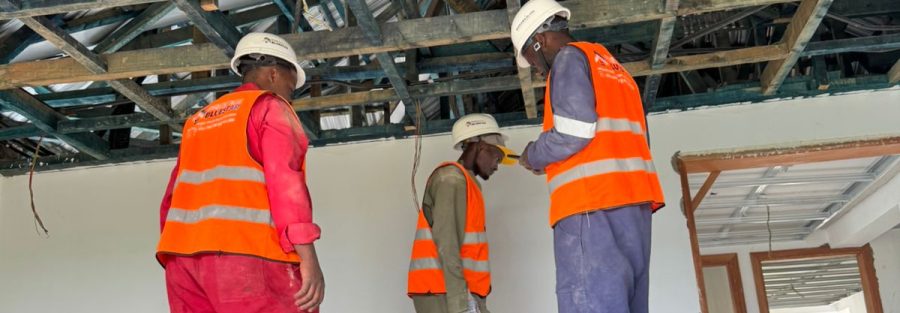
Project Execution | What Are the Common Challenges We Face During Project Execution and How We Resolve Them?
Project execution challenges are a normal part of interior design, renovation and fit-out projects. Even when a project has been carefully designed and planned, conditions can change once work begins on site.
Materials may become unavailable, site measurements may reveal unexpected conditions, different trades may need to work around one another, or a client may request a change after execution has already started.
The difference between a difficult project and a successfully managed project often comes down to how quickly these challenges are identified and how professionally they are resolved.
At Prestige Bluestar Interiors, project execution focuses on planning, communication, quality control and coordination so that issues can be addressed before they create unnecessary delays, rework or cost implications.
What Is Project Execution in Interior Projects?
Project execution is the stage where an approved interior design moves from plans and specifications into physical work on site.
Depending on the scope, execution may involve:
- Material procurement
- Fabrication
- Gypsum ceiling installation
- Electrical and lighting works
- Cabinet installation
- Wardrobe installation
- TV wall construction
- Wainscoting
- Flooring
- Painting
- Plumbing
- Office partitioning
- Final finishing and quality checks
Successful execution requires different activities to happen in the right sequence and with clear communication between the client, project team, suppliers and skilled trades.
What Are the Common Challenges During Project Execution?
1. Changes to the Approved Design
One common challenge is a change requested after work has already started.
A client may want to change a finish, cabinet configuration, lighting position, colour or layout.
Changes are not necessarily a problem. However, they need to be assessed before implementation.
How we resolve it:
The requested change is reviewed against the approved design, site conditions, materials, timeline and potential additional work. Where necessary, the implications are communicated clearly before the change is implemented.
This helps prevent misunderstandings and uncontrolled variations.
2. Material Availability and Procurement Delays
Interior projects depend on materials being available when required.
Delays can occur when a particular finish, hardware item, board, fitting or other specified material is unavailable or takes longer to source than expected.
How we resolve it:
Procurement is coordinated with the project programme. Materials are identified early, availability is considered, and suitable alternatives can be discussed where the originally specified option cannot be obtained within the required timeframe.
The important principle is to avoid replacing specified materials without proper communication and approval.
3. Maintaining Quality Standards
A project can progress quickly but still fail if workmanship or finishing quality is compromised.
Issues may involve inaccurate measurements, poor alignment, uneven finishes, inadequate joint treatment, inconsistent installation or damage to completed work.
How we resolve it:
Quality should be checked throughout execution rather than waiting until the final day.
Measurements, materials, installation, alignment, finishes and functionality can be reviewed at appropriate project stages.
Early quality checks allow defects to be corrected before subsequent work makes them more difficult or expensive to address.
4. Coordinating Different Trades
Interior projects frequently involve several specialists.
For example, electrical works may need to coordinate with gypsum ceilings, cabinetry and lighting. Flooring may need to coordinate with doors, cabinetry and other finished surfaces.
Poor coordination can create clashes, rework and unnecessary delays.
How we resolve it:
The project team coordinates the sequence of activities and communicates site requirements to the relevant trades.
Before a task begins, the team considers what other work depends on it and whether the necessary materials, measurements and information are available.
5. Managing Project Timelines
Clients naturally want their projects completed within the agreed timeframe.
However, project timelines can be affected by material availability, approved variations, site access, unexpected site conditions and coordination between different activities.
How we resolve it:
The project is monitored against the planned execution programme.
When an issue threatens a milestone, it is identified early and the team determines what can be adjusted without compromising quality.
The objective is not simply to work faster. It is to maintain progress while protecting workmanship and the agreed project scope.
6. Unexpected Site Conditions
Sometimes the actual site differs from what was visible during the initial assessment.
Existing walls may not be perfectly straight, concealed services may affect proposed installations, floor levels may vary, or existing construction may require additional preparation.
How we resolve it:
Unexpected conditions are assessed before proceeding with work that could be affected.
Where the condition changes the proposed solution, the client is informed and the appropriate technical or design adjustment is agreed before execution continues.
This approach reduces the risk of proceeding with assumptions that later cause rework.
7. Communication Gaps
Poor communication can turn a manageable issue into a major project problem.
Clients need to understand project progress, decisions, variations and important execution considerations. At the same time, the project team needs clear information about approved designs and client requirements.
How we resolve it:
Important decisions and changes should be communicated clearly and documented where appropriate.
Good communication creates a shared understanding of what has been approved, what is being executed and what needs attention.
Managing Design Changes and Client Variations
Variations should be treated as part of project management rather than informal site instructions.
When a change is requested, several questions should be considered:
- Does it affect the approved design?
- Does it require additional materials?
- Will it affect fabrication?
- Will it change the project timeline?
- Does another trade depend on the affected work?
- Will it affect the project cost?
- Has the client approved the revised approach?
Answering these questions before execution helps maintain transparency.
It also protects the project from misunderstandings caused by verbal instructions or assumptions.
Managing Material Availability and Procurement Delays
Good procurement planning is an important part of project execution.
Materials should be aligned with the execution sequence so that the team is not waiting unnecessarily for items required to complete the next stage.
For custom interiors, this can be particularly important because some components may require fabrication before installation.
The project team therefore needs to coordinate specifications, quantities, lead times, fabrication and delivery.
If an approved material becomes unavailable, the replacement should be discussed rather than substituted without proper approval.
Maintaining Quality During Project Execution
Quality management should happen throughout the project.
A useful approach is to divide execution into stages and inspect work before moving to dependent activities.
For example, before covering or closing an area, the relevant underlying work should be checked. Before final handover, finishes, functionality, alignment and overall workmanship should be reviewed.
This staged approach helps identify problems while they are still manageable.
For Prestige Bluestar Interiors, quality is not simply a final inspection activity. It is part of the execution process.
Coordinating Different Trades and Site Activities
Interior projects require sequencing.
A gypsum ceiling, for example, may need coordination with electrical and lighting requirements. Cabinet installation may depend on completed wall preparation and accurate final dimensions.
The project manager therefore needs to understand how one activity affects another.
Effective coordination helps reduce:
- Work clashes
- Rework
- Material wastage
- Unnecessary delays
- Damage to completed finishes
- Confusion between trades
The goal is to keep the project moving while ensuring that each stage is ready for the next.
Managing Project Timelines
A realistic project programme should account for more than installation time.
Planning may include:
Design approval → procurement → fabrication → site preparation → installation → finishing → quality inspection → handover
The actual sequence can vary depending on the project’s scope and site conditions.
When delays occur, the priority should be to understand their cause, communicate the impact and identify practical ways to recover progress without sacrificing quality.
Handling Site Conditions and Unexpected Issues
Not every project challenge can be predicted before work begins.
A professional execution team therefore needs the ability to assess problems rather than react to them impulsively.
The general approach is:
- Identify the issue.
- Assess its impact.
- Determine possible solutions.
- Communicate the relevant implications.
- Obtain the necessary approval.
- Implement the agreed solution.
- Check the result.
This process creates accountability and keeps problem-solving focused on the project outcome.
Communication During Project Execution
Communication is one of the most important tools for managing project execution.
A client should not discover a significant project issue only after it has already affected the work.
Likewise, site teams need current information about approved drawings, specifications, materials, variations and execution priorities.
Clear communication helps establish expectations and allows decisions to be made before problems escalate.
How Professional Project Management Prevents Execution Problems
Professional project management does not mean that challenges will never occur.
Instead, it creates a system for identifying, communicating and resolving them.
Strong project management helps coordinate:
- Scope
- Design
- Materials
- Labour
- Site activities
- Timelines
- Quality
- Client communication
- Variations
- Final handover
The objective is to keep the project aligned with the approved requirements while responding professionally when circumstances change.
Why Choose Prestige Bluestar Interiors?
Interior execution requires more than skilled installation. It requires coordination between design, materials, workmanship, site activities and client expectations.
At Prestige Bluestar Interiors, our approach is built around precision quality workmanship, professional project management and a smooth customer journey.
We understand that challenges can arise during interior projects. What matters is identifying them early, communicating clearly and implementing appropriate solutions without losing sight of quality and functionality.
From custom wardrobes and kitchen cabinets to TV wall units, gypsum ceilings, wainscoting, office partitions and broader interior fit-outs, each project requires careful coordination from planning through execution and handover.
Frequently Asked Questions
What are the most common project execution challenges?
Common challenges include design changes, material delays, trade coordination issues, unexpected site conditions, quality concerns, timeline changes and communication gaps.
How do you handle unexpected problems during project execution?
The issue is assessed first to understand its cause and impact. Appropriate solutions are then considered, communicated and implemented before affected work continues.
How can project delays be reduced?
Early procurement, clear planning, trade coordination, timely approvals and proactive communication can help reduce avoidable project delays.
Why are quality checks important during project execution?
Staged quality checks help identify defects before they become hidden, affect subsequent work or require more extensive rework.
How are client-requested changes managed?
Changes should be reviewed for their effect on design, materials, cost, fabrication and timelines. The implications should be communicated and the revised scope approved before implementation.
What role does project management play in interior projects?
Project management coordinates scope, people, materials, timelines, quality, communication and site activities to keep execution organised and aligned with the approved project requirements.
Conclusion
Project execution challenges are not unusual in interior design, renovation and fit-out projects. What matters is how professionally those challenges are managed.
Design changes, material availability, trade coordination, quality control, unexpected site conditions, timelines and communication can all affect execution.
The solution is not simply to react when problems occur. Effective project execution requires planning, early identification, clear communication, proper coordination and continuous quality control.
When these principles are applied consistently, challenges can be addressed before they significantly affect the project.
At Prestige Bluestar Interiors, our focus is to deliver a smooth customer journey supported by precision workmanship and professional project management from execution through final handover.
Need Professional Project Execution?
Planning an interior design, renovation or fit-out project?
Work with a team that understands the importance of quality, coordination, communication and professional project management.
Call/WhatsApp: +254 714 444 516 | +254 745 730 042
Email: info@prestigebluestar.com
Location: Westlands, Nairobi | Countrywide
Onsite consultation fee applies.