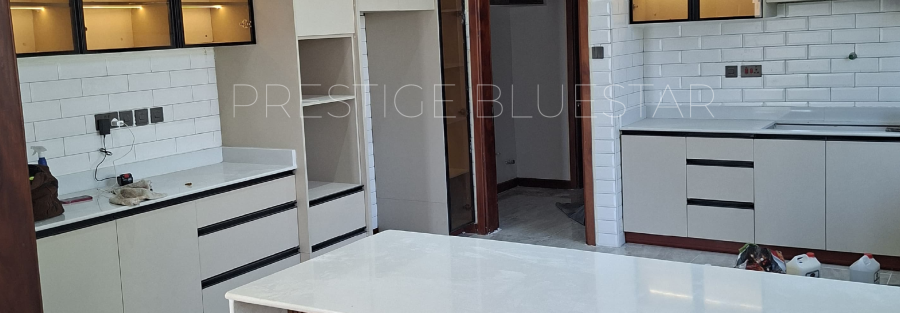
Project Execution | How Does Teamwork and Collaboration Help Keep an Interior Project on Track?
Introduction
Successful project execution depends on more than a good interior design. It requires effective teamwork, clear communication and consistent collaboration between the client, interior designer, project manager, fabricators, installers, suppliers and other professionals involved in the project.
An interior project can involve many connected activities, including design approval, material procurement, fabrication, transportation, site preparation, installation and finishing. When everyone understands their responsibilities and communicates effectively, these activities can be coordinated more efficiently.
Whether the project involves custom kitchen cabinets, premium wardrobes, TV wall units, gypsum ceilings, wainscoting or a complete interior fit-out, teamwork helps reduce avoidable delays and keeps the project aligned with the approved scope, budget and timeline.
At Prestige Bluestar, we combine professional project management, precision workmanship, quality materials and customer-focused communication to create a structured project execution process.
What Is Project Execution in Interior Design?
Project execution is the stage where an approved interior design, quotation and project plan are transformed into completed work.
Interior project execution can include:
- Material procurement
- Custom fabrication
- Site preparation
- Trade coordination
- Transportation
- Installation
- Finishing
- Quality control
- Project handover
Each activity can affect another. For example, fabrication may depend on approved measurements, while installation may depend on completed fabrication and site readiness.
This is why teamwork and collaboration are essential.
Why Is Teamwork Important During Project Execution?
Teamwork in interior project execution allows different professionals to work toward the same project objectives.
A coordinated team can help ensure that:
- Responsibilities are clearly understood
- Information reaches the right people
- Materials are prepared on time
- Design requirements are followed
- Site activities are coordinated
- Problems are identified earlier
- Quality standards are maintained
- Project milestones remain visible
Without proper coordination, even a well-designed project can experience unnecessary interruptions.
How Does Collaboration Keep an Interior Project on Track?
Collaboration connects the different stages of the project.
For example:
Client approval → Project planning → Material procurement → Fabrication → Site preparation → Installation → Finishing → Quality inspection
Each stage requires information or action from different people.
When communication is clear, the team can move from one stage to the next with fewer unnecessary interruptions.
1. Clear Roles and Responsibilities
One of the foundations of effective project execution is knowing who is responsible for each activity.
The client may be responsible for:
- Approving designs
- Confirming material selections
- Making scheduled payments
- Providing site access
- Communicating requested changes
The contractor and project team may be responsible for:
- Project planning
- Procurement
- Fabrication
- Labour coordination
- Installation
- Quality control
- Project supervision
Clear responsibilities reduce confusion and help everyone understand what needs to happen next.
2. Better Communication Between Teams
Interior projects often involve several teams working at different stages.
For example, cabinet fabrication may take place away from the installation site while other contractors prepare the property.
Regular communication helps the team coordinate:
- Measurements
- Designs
- Materials
- Delivery schedules
- Installation dates
- Site conditions
- Project changes
Good communication also helps identify potential issues before they become major project delays.
3. Faster Decision-Making
Interior projects involve many decisions.
Clients may need to approve:
- Cabinet colours
- Board finishes
- Handles
- Countertops
- Lighting
- Wardrobe accessories
- TV wall finishes
- Decorative panels
When decisions are made promptly, the project team can continue with procurement and fabrication.
Delayed decisions can affect subsequent activities, especially when materials need to be ordered or custom components need to be manufactured.
4. Better Material Procurement
Material procurement is an important part of interior project execution.
The team needs to coordinate the materials required for the approved design and scope.
These may include:
- Cabinet boards
- Hardware
- Countertops
- Decorative panels
- Gypsum materials
- Lighting components
- Paint
- Flooring materials
Team collaboration helps ensure that procurement follows the approved specifications.
If a material is unavailable, the team can communicate the issue and discuss an appropriate alternative before proceeding.
5. Efficient Fabrication
Custom interior components often need to be fabricated according to approved measurements and designs.
Fabrication may involve:
- Cutting
- Edge finishing
- Drilling
- Assembly
- Hardware preparation
- Door preparation
- Drawer preparation
- Quality checks
Good communication between the design, project management and fabrication teams helps ensure that production follows the approved specifications.
This is especially important for custom kitchen cabinets, wardrobes and TV wall units, where accurate dimensions are critical.
6. Better Site Coordination
Site activities can involve different professionals working within the same space.
Depending on the project, these may include:
- Interior installers
- Electricians
- Plumbers
- Painters
- Ceiling installers
- Flooring teams
- Cabinet installers
Effective collaboration helps determine the correct sequence of work.
For example, electrical provisions may need to be completed before certain cabinetry or feature wall components are installed.
Good scheduling prevents different teams from interfering with one another.
7. Faster Identification of Problems
No interior project is completely immune to unexpected site conditions.
Issues can include:
- Uneven walls
- Unexpected dimensions
- Existing electrical points
- Plumbing conflicts
- Material availability issues
- Access limitations
A collaborative team can identify these problems early and communicate them to the relevant people.
Early identification provides more time to evaluate solutions before the issue affects later stages of the project.
8. Better Control of Project Variations
A project variation occurs when the approved scope, design, material or specification changes.
Examples include:
- Adding additional cabinets
- Changing a material
- Modifying a wardrobe layout
- Adding LED lighting
- Increasing storage
- Changing a TV wall finish
Variations should be communicated and reviewed before additional work or materials are committed.
Team collaboration ensures that the client, contractor and relevant project teams understand the change and its possible effect on cost and completion time.
9. Consistent Quality Control
Teamwork also contributes to quality control during project execution.
Quality should be considered throughout the project rather than only at the end.
Checks may include:
- Measurements
- Material specifications
- Fabrication quality
- Cabinet alignment
- Door operation
- Drawer operation
- Hardware installation
- Surface finishing
- Lighting installation
- Final workmanship
When quality checks are incorporated into different stages, problems can be identified and corrected earlier.
10. Stronger Client-Contractor Collaboration
The homeowner is an important part of the project team.
Clients do not need to manage the contractor’s daily operations, but their cooperation can influence project progress.
A collaborative client can help by:
Approving designs promptly, following the agreed payment schedule, confirming selections, providing site access and communicating changes early.
In return, the contractor should provide clear communication about project progress, relevant requirements and issues that may affect the agreed programme.
How Does Project Management Support Teamwork?
Professional interior project management brings different activities together under one coordinated plan.
Project management helps track:
- Project scope
- Design approvals
- Payment stages
- Procurement
- Fabrication
- Site readiness
- Installation
- Quality control
- Completion
The goal is not simply to make everyone busy. The goal is to ensure that the right activity happens at the right time.
How Can Clients Help Keep an Interior Project on Track?
Homeowners can contribute to smoother project execution by:
- Approving the project scope clearly.
- Making the initial deposit according to the agreed payment schedule.
- Approving designs before fabrication.
- Confirming material selections promptly.
- Providing site access when required.
- Communicating changes as early as possible.
- Following the agreed payment schedule.
- Maintaining clear communication with the project team.
These actions help the contractor plan resources and maintain project momentum.
Why Choose Prestige Bluestar for Interior Project Execution?
Prestige Bluestar understands that quality interior projects require more than attractive designs.
Our approach combines teamwork, project management, precision workmanship and client collaboration throughout the execution process.
Our interior services include:
- Custom kitchen cabinets
- Premium wardrobes
- Walk-in closets
- TV wall units
- Gypsum ceilings
- Wainscoting
- Office partitioning
- Home renovations
- Complete interior fit-outs
From the approved quotation and project planning through material procurement, fabrication, installation and final finishing, we coordinate the different stages with the goal of delivering a smooth and professional customer journey.
Frequently Asked Questions
How does teamwork help with project execution?
Teamwork ensures that designers, project managers, fabricators, installers, suppliers and clients understand their responsibilities and coordinate activities toward the same project goals.
Why is collaboration important in an interior project?
Collaboration improves communication, speeds up decisions, supports material procurement, coordinates site activities and helps identify problems before they cause significant delays.
Can client decisions affect project execution?
Yes. Delayed design approvals, material selections or other decisions can affect procurement, fabrication and installation schedules.
How does communication reduce project delays?
Clear communication helps the team identify requirements, confirm decisions, coordinate activities and address potential problems before they affect later stages.
What is the client’s role during project execution?
The client may need to approve designs, confirm materials, make scheduled payments, provide site access and communicate any requested changes promptly.
How are project variations handled?
Variations should be discussed and reviewed before implementation because changes to the approved scope can affect materials, cost, fabrication and project completion time.
What does an interior project management team do?
An interior project management team coordinates project scope, planning, procurement, fabrication, installation, quality control, communication and completion.
Conclusion
Effective project execution depends on people working together as much as it depends on materials and workmanship. Clear roles, timely communication, client collaboration, coordinated procurement, accurate fabrication and organized installation can help keep an interior project on track.
When everyone understands the approved scope and their responsibilities, the project can progress through its stages with better coordination and fewer avoidable interruptions.
At Prestige Bluestar, we focus on precision, quality workmanship, professional project management and a strong customer journey. Our goal is to coordinate every stage of the interior project, from planning and quotation approval to fabrication, installation and final completion.
Ready to Plan Your Interior Project?
Prestige Bluestar specializes in custom kitchen cabinets, premium wardrobes, walk-in closets, TV wall units, gypsum ceilings, wainscoting, office partitioning, home renovations and complete interior fit-outs.
If you are looking for a professional team to manage your interior project with quality workmanship, coordinated execution and clear communication, we are ready to discuss your requirements.
Book your professional site visit and design consultation today.
📞 +254 714 444 516
📞 +254 745 730 042
📍 Westlands, Nairobi, Kenya
Serving homeowners and businesses nationwide across Kenya.
Professional site visit and design consultation fees apply before quotation and project commencement.