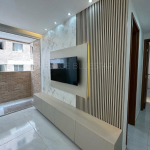
𝗣𝗥𝗢𝗝𝗘𝗖𝗧 𝗘𝗫𝗘𝗖𝗨𝗧𝗜𝗢𝗡 | 𝗛𝗢𝗪 𝗗𝗢 𝗖𝗟𝗜𝗘𝗡𝗧 𝗣𝗔𝗬𝗠𝗘𝗡𝗧𝗦 & 𝗖𝗢𝗟𝗟𝗔𝗕𝗢𝗥𝗔𝗧𝗜𝗢𝗡𝗦 𝗔𝗙𝗙𝗘𝗖𝗧 𝗣𝗥𝗢𝗝𝗘𝗖𝗧 𝗘𝗫𝗘𝗖𝗨𝗧𝗜𝗢𝗡?
Introduction
Project execution is the stage where an approved interior design, quotation and project plan are transformed into completed work. While materials, workmanship and project management are important, client payments and collaboration also play a significant role in keeping an interior project moving according to the agreed programme.
An interior project involves several connected activities, including material procurement, fabrication, site preparation, transportation, installation and finishing. These activities often depend on decisions and payments being made at the agreed stages.
Clear communication between the client and contractor helps ensure that approvals, payments, material selections and project decisions are handled on time.
At Prestige Bluestar, we believe that successful project execution depends on professional planning, quality workmanship, clear communication and a well-coordinated customer journey from quotation approval through project completion.
What Is Project Execution?
Project execution is the stage where the approved project scope is implemented on site.
For an interior project, execution can involve:
- Material procurement
- Custom fabrication
- Site preparation
- Transportation
- Installation
- Electrical coordination
- Finishing
- Quality checks
- Project handover
Each activity needs to be coordinated according to the agreed project scope, timeline and payment schedule.
When one important activity is delayed, subsequent activities can also be affected.
How Do Client Payments Affect Project Execution?
Client payments can directly influence the timing of certain project activities.
Once the quotation has been reviewed and approved, the initial deposit should be made according to the payment schedule agreed between the client and contractor.
Once the required payment has been received and the project is formally confirmed, the contractor can proceed with activities such as:
Project planning → Material procurement → Fabrication → Installation
This does not mean that every project activity is dependent on a single payment. Rather, the agreed payment schedule provides a financial framework for coordinating the resources required at different stages.
Why Is an Agreed Payment Schedule Important?
A clear project payment schedule gives both the client and contractor a shared understanding of when payments are expected.
A payment schedule can help coordinate costs associated with:
- Materials
- Fabrication
- Labour
- Transportation
- Installation
- Finishing
Before project execution begins, clients should understand the agreed payment terms and the relationship between payments and project stages.
This reduces uncertainty and allows both parties to plan more effectively.
What Happens When a Scheduled Payment Is Delayed?
A delayed payment can affect project execution when the next stage requires funds for materials, labour, fabrication, transportation or other project resources.
For example, if a payment is scheduled before a particular fabrication or installation stage, delaying that payment may affect when the contractor can allocate resources for that stage.
The appropriate response is clear communication.
If a client anticipates a payment delay, informing the contractor as early as possible allows both parties to discuss the situation and determine whether the project schedule needs to be adjusted.
How Does Client Collaboration Affect Project Execution?
Client collaboration is equally important.
Interior projects involve decisions that may require client approval, including:
- Design changes
- Material selections
- Colours
- Finishes
- Hardware
- Cabinet layouts
- Wardrobe configurations
- Lighting options
- Variations to the approved scope
When these decisions are made promptly, the contractor can continue with the planned execution process.
When approvals are significantly delayed, fabrication, procurement or installation may also need to be rescheduled.
Why Are Design Approvals Important?
Design approval is one of the most important client decisions before fabrication begins.
For custom interior projects, approved designs may determine:
- Dimensions
- Cabinet configuration
- Storage layout
- Materials
- Finishes
- Lighting positions
- Hardware
- Decorative details
Once the design has been approved, fabrication can proceed according to the agreed specifications.
Late design changes can require additional planning, material adjustments or fabrication changes, potentially affecting both project cost and completion time.
How Do Material Decisions Affect Project Execution?
Material selection should ideally be finalized before procurement and fabrication.
For example, a kitchen project may require decisions regarding cabinet boards, handles, countertops and finishes.
A wardrobe project may require decisions regarding board colours, door styles, internal accessories and hardware.
When material selections are confirmed early, procurement can be organized more efficiently.
If a selected material becomes unavailable or the client requests a different material after procurement has started, the contractor may need to review availability, pricing and the project timeline.
What Is the Client’s Role During Project Execution?
The client does not need to manage the contractor’s daily work, but timely cooperation can make the overall project smoother.
The client’s role may include:
Approving designs, making scheduled payments, confirming selections, providing access to the site, communicating changes and reviewing agreed project milestones.
Clear communication is particularly important when the project involves several rooms, multiple trades or custom fabrication.
What Is the Contractor’s Role During Project Execution?
The contractor is responsible for coordinating the execution of the agreed scope.
This may include:
- Project planning
- Material procurement
- Fabrication coordination
- Labour coordination
- Installation
- Site supervision
- Quality control
- Progress communication
- Final finishing
The contractor should execute the approved scope according to the agreed specifications and communicate relevant issues that may affect the project.
How Can Clients and Contractors Improve Collaboration?
Successful project execution requires both sides to communicate clearly.
A practical approach includes:
1. Agree on the Scope
Both parties should understand exactly what is included in the quotation.
2. Confirm the Payment Schedule
Payment stages and expectations should be clear before execution begins.
3. Approve Designs Promptly
Approved designs allow procurement and fabrication to proceed without unnecessary interruptions.
4. Finalize Materials
Material selections should be confirmed before procurement wherever possible.
5. Communicate Changes Early
Potential variations should be discussed before additional work or materials are committed.
6. Maintain Site Readiness
The installation area should be accessible and ready when the project reaches the installation stage.
7. Keep Communication Professional
Clear communication helps resolve questions before they become project delays.
How Do Variations Affect Project Execution?
A project variation occurs when the client requests a change to the approved scope, materials, design or specifications.
Examples may include:
- Adding extra cabinets
- Changing a selected finish
- Increasing wardrobe storage
- Adding LED lighting
- Changing countertop specifications
- Modifying a TV wall design
Variations should be reviewed before implementation because they can affect project cost, materials and completion time.
Where a variation has financial or scheduling implications, the client and contractor should agree on the change before additional work proceeds.
Why Choose Prestige Bluestar for Project Execution?
Prestige Bluestar focuses on precision, quality workmanship, professional project management and a clear customer journey.
Our interior services include:
- Custom kitchen cabinets
- Premium wardrobes
- Walk-in closets
- TV wall units
- Gypsum ceilings
- Wainscoting
- Office partitioning
- Home renovations
- Complete interior fit-outs
From quotation approval and project planning to material procurement, fabrication, installation and final finishing, we aim to keep the execution process structured and clearly coordinated.
Frequently Asked Questions
How do client payments affect project execution?
Client payments support the financial coordination of project stages. The initial deposit and subsequent payments should be made according to the agreed payment schedule so that planned project activities can proceed as scheduled.
What happens after the initial deposit is paid?
Once the required initial payment has been received and the project is confirmed, project planning, material procurement and fabrication scheduling can commence according to the approved scope.
Can a delayed payment affect the project timeline?
Yes. If a scheduled payment is required for a particular project stage, a delay may affect procurement, fabrication, labour allocation or installation scheduling.
Why is client collaboration important?
Prompt client decisions and approvals help contractors proceed with designs, materials, procurement, fabrication and installation without unnecessary interruptions.
Can clients change the design during project execution?
Changes may be possible, but they should be discussed and approved before implementation because variations can affect project cost, materials and completion time.
What should clients do if they expect a payment delay?
Clients should communicate with the contractor as early as possible. Early communication gives both parties an opportunity to review the situation and discuss any necessary schedule adjustments.
Conclusion
Successful project execution requires more than skilled workmanship. It also depends on effective coordination between the client and contractor.
Making payments according to the agreed payment schedule allows the contractor to plan resources and progress through the appropriate project stages. At the same time, timely client approvals, material selections, site access and communication help keep the project moving according to plan.
At Prestige Bluestar, we combine professional project management, precision workmanship, quality materials and client collaboration to deliver interior projects with a structured and transparent execution process.
The goal is to ensure that everyone understands their role from quotation approval and initial payment through project planning, fabrication, installation and final completion.
Ready to Start Your Interior Project?
Prestige Bluestar specializes in custom kitchen cabinets, premium wardrobes, walk-in closets, TV wall units, gypsum ceilings, wainscoting, office partitioning, home renovations and complete interior fit-outs.
If you are planning an interior project, start with a clear scope, approved design and agreed payment schedule so that project execution can proceed with better coordination.
Book your professional site visit and design consultation today.
📞 +254 714 444 516
📞 +254 745 730 042
📍 Westlands, Nairobi, Kenya
Serving homeowners and businesses nationwide across Kenya.
Professional site visit and design consultation fees apply before quotation and project commencement.